
Introduction
Live streaming has become one of the most influential forms of digital entertainment. Millions of people around the world watch their favorite creators play video games, share daily best sportsbetting odds experiences, discuss trending topics, participate in live challenges, and interact with audiences in real time. The biggest live streamers have transformed social media from a platform for sharing pictures and short videos into an interactive space where creators and viewers can build communities together.
Platforms such as Twitch, YouTube Live, TikTok Live, and Kick have helped talented personalities reach global audiences. These streamers are no longer just entertainers. They influence online trends, shape consumer behavior, support charitable causes, and create new opportunities for businesses and aspiring content creators. Their growing popularity demonstrates how live streaming continues to change the digital landscape.
The Rise of the Biggest Live Streamers
The popularity of live streaming has increased because audiences want authentic and interactive content. Unlike traditional television, live streaming allows viewers to communicate directly with creators through chats, reactions, subscriptions, and virtual gifts. This interaction creates a stronger connection between streamers and their followers.
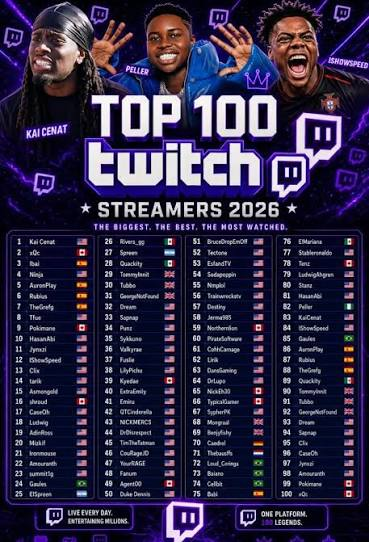
Several well-known personalities have helped popularize this form of entertainment. Kai Cenat has attracted attention through energetic broadcasts, collaborations, and large-scale streaming events. IShowSpeed has gained international recognition through expressive reactions, gaming content, and live interactions with fans.
Meanwhile, Ibai Llanos has demonstrated how live streaming can expand beyond gaming through major entertainment events and creator collaborations. Ninja also played an important role in bringing gaming streams into mainstream popular culture.
These creators have different styles, but they share a common ability to capture attention, encourage participation, and build loyal online communities.
How Live Streamers Influence Social Media Trends
One of the most noticeable effects of major streamers is their ability to make trends popular within a short period. A memorable reaction, entertaining challenge, gaming moment, or spontaneous conversation can quickly spread across social media.
Viewers frequently create clips from live broadcasts and share them on TikTok, Instagram Reels, YouTube Shorts, and other platforms. These short videos introduce the streamer’s personality to people who may never watch a complete live broadcast.
As a result, a single streaming session can generate thousands of additional posts, discussions, and reactions. This process creates a cycle in which live content produces short-form videos, those videos attract new viewers, and the new audience returns to future streams.
Streamers also influence internet language, memes, fashion choices, gaming preferences, and entertainment formats. When a popular creator adopts a particular phrase, participates in a challenge, or plays a newly released game, followers may imitate the activity and spread it through their own social networks.
This influence allows live streamers to shape online culture in ways that traditional celebrities often cannot replicate through occasional promotional appearances.
Building Strong Online Communities
Live streaming is not only about gaining views. It is also about creating a sense of belonging among viewers. Many followers regularly attend broadcasts, recognize familiar usernames, participate in discussions, and develop friendships with other community members.
The interactive nature of live streaming makes audiences feel involved in the experience. Viewers can suggest activities, vote in polls, respond to questions, and react to important moments as they happen.
Large streamers often establish recognizable community traditions, inside jokes, and shared interests. These elements help distinguish one creator’s audience from another and encourage people to return.
Community building can also extend beyond the streaming platform. Fans may follow creators on Instagram, join discussion servers, watch edited videos on YouTube, and participate in social media groups.
However, maintaining a healthy community requires responsible moderation. Popular streamers need clear rules to reduce harassment, spam, misinformation, and inappropriate behavior. Positive communities are more likely to remain welcoming and sustainable over time.
The Role of Live Streamers in Gaming and Entertainment
Gaming remains one of the most recognizable categories of live streaming. Streamers broadcast gameplay, explain strategies, participate in competitions, and share their reactions to new releases. Their broadcasts can introduce games to large audiences and encourage viewers to explore titles they might otherwise overlook.
For gaming companies, influential streamers can become important sources of visibility. A popular creator playing a new game may generate conversations, increase awareness, and encourage audiences to watch additional gameplay videos.
Nevertheless, gaming is only one part of the live-streaming industry. Creators also produce music sessions, interviews, travel broadcasts, educational discussions, cooking demonstrations, lifestyle content, and live events.
This variety has expanded the audience for live streaming. People can now find creators who match their interests, whether they enjoy technology, sports, comedy, personal development, or everyday conversations.
Major streaming events also demonstrate the potential of this medium. Charity broadcasts, creator competitions, special interviews, and collaborative entertainment shows can attract viewers who do not normally follow gaming channels.
As technology develops, live streaming is likely to become an even more important part of online entertainment.
How Big Streamers Affect Brands and Marketing
The biggest live streamers have become valuable partners for brands seeking to reach highly engaged audiences. Traditional advertising often delivers a message to viewers without meaningful interaction. Live streaming, by contrast, allows creators to demonstrate products, answer questions, and explain their experiences while audiences watch.
Companies may collaborate with streamers to promote gaming equipment, computer accessories, clothing, digital services, entertainment products, and other relevant offerings.
Successful partnerships usually depend on audience trust. When a creator promotes a product that fits their content and interests, the recommendation may feel more relevant to followers. However, promotions that appear dishonest or unrelated can damage credibility.
Brands should therefore evaluate more than follower counts when selecting creators. Important factors include average live viewership, audience demographics, engagement quality, content suitability, and the creator’s reputation.
Smaller streamers can also provide marketing value because they often serve focused communities with specific interests. For businesses, a smaller but genuinely engaged audience may be more useful than a large audience with limited interest in the product.
Clear sponsorship disclosures are essential. Audiences should be able to recognize paid promotions and understand when a creator has a commercial relationship with a company.
The Economic Opportunities Created by Live Streaming
Live streaming has created new ways for content creators to earn income and develop professional careers. Depending on platform eligibility and available features, streamers may generate revenue through subscriptions, advertising, viewer donations, virtual gifts, sponsorships, merchandise, and paid collaborations.
Successful creators often build businesses around their personal brands. They may employ editors, moderators, designers, managers, and production teams to support their operations.
Their influence also creates opportunities for people working behind the scenes. Video editors can turn long broadcasts into short clips, graphic designers can develop channel branding, and social media managers can help creators distribute content across multiple platforms.
However, becoming a successful streamer is not guaranteed. Competition is intense, audience attention changes quickly, and maintaining a consistent schedule requires significant effort. Many creators spend considerable time improving their presentation, learning technical skills, and understanding what their audiences enjoy.
The biggest live streamers show what is possible, but sustainable success generally depends on creativity, persistence, adaptability, and responsible audience engagement.
Challenges and Responsibilities of Popular Streamers
Although live streaming offers many benefits, it also presents challenges. Because broadcasts happen in real time, creators may face unexpected controversies, technical problems, or difficult interactions with viewers.
A poorly considered comment can spread across multiple platforms within minutes. Streamers must therefore understand that their words and actions can influence large audiences, including younger viewers.
Privacy is another important concern. Sharing personal information, revealing private locations, or broadcasting sensitive conversations can create risks for creators and other people.
The pressure to maintain high viewing numbers can also encourage unhealthy working schedules. Some streamers may feel compelled to broadcast for extended periods to maintain visibility. Balancing content creation with rest, personal responsibilities, and offline relationships is important for long-term success.
Platforms, creators, and audiences all have a role in encouraging safer online environments. Clear moderation policies, respectful communication, transparent advertising, and responsible content choices can help make live streaming more positive.
The Future of Live Streaming on Social Media
The future of live streaming will likely involve greater interaction, improved production tools, and more connections between platforms. Features such as live shopping, real-time audience polls, interactive games, and collaborative broadcasts are already changing how viewers participate.
Artificial intelligence may also help creators with captions, translation, moderation, editing, and content organization. These tools could make broadcasts more accessible to international audiences and reduce some of the workload involved in producing regular content.
At the same time, competition for attention will continue to grow. Streamers will need to offer distinctive experiences rather than relying entirely on viral moments or follower counts.
Authenticity, community trust, originality, and consistent quality are likely to remain important advantages. Creators who understand their audiences and adapt to changing preferences may be better positioned to maintain their influence.
Conclusion
The biggest live streamers have become major forces in modern social media. Through gaming, entertainment, collaborations, and real-time conversations, they influence online trends, build communities, support business marketing, and create new economic opportunities.
Their impact extends beyond the platforms where they broadcast. Clips, memes, discussions, and audience reactions carry their content across the wider internet, helping them reach millions of people and influence digital culture.
However, popularity also brings responsibility. Successful creators must consider privacy, audience well-being, honest advertising, and respectful communication.
As social media continues to evolve, live streaming will remain an important part of digital entertainment. The creators who combine engaging content with meaningful audience relationships and responsible practices will have the strongest opportunities to build lasting influence in the online world.
